Codeine |
| Codeine | |||||||||||||||||||||||
|---|---|---|---|---|---|---|---|---|---|---|---|---|---|---|---|---|---|---|---|---|---|---|---|
| The skeletal formula of codeine | |||||||||||||||||||||||
 |
|||||||||||||||||||||||
 |
|||||||||||||||||||||||
| Chemical Nomenclature | |||||||||||||||||||||||
| Common names | Codeine | ||||||||||||||||||||||
| Substitutive name | 3-methylmorphine | ||||||||||||||||||||||
| Systematic name | (5α,6α)-7,8-Didehydro-4,5-epoxy-3-methoxy-17-methylmorphinan-6-ol | ||||||||||||||||||||||
| Routes of Administration | |||||||||||||||||||||||
|
|
|||||||||||||||||||||||
| Summary sheet: Codeine |
Codeine or 3-methylmorphine (a naturally occurring methylated morphine) is an opioid within the morphinan chemical class which is used for its analgesic, antitussive, antidiarrheal, anxiolytic, antidepressant, sedative, depressants and hypnotic properties. It is also used to suppress premature labor contractions, myocardial infarction, and has many other potential and indicated uses. It is often sold as a salt in the form of either codeine sulfate or codeine phosphate.
Codeine is the second most predominant alkaloid in opium, at up to three percent. Although codeine can be extracted from natural sources, a semi-synthetic process is the primary source of codeine for pharmaceutical use. It is considered the prototype of the weak to midrange opioids (tramadol, dextropropoxyphene, dihydrocodeine, hydrocodone, and oxycodone).
Codeine is currently the most widely used opiate in the world,[1][2] and is one of the most commonly used drugs overall according to numerous reports by organizations including the World Health Organization and its League of Nations predecessor agency. It is one of the most effective orally administered opioid analgesics and has a wide safety margin. In terms of its recreational use, it is usually purchased over the counter within painkillers that mix it with other more toxic substances but can, however, be separated using an extremely simple cold water extraction technique.
Contents
Chemistry
Codeine, or 3-methylmorphine, is an opioid of the morphinan class. Codeine and other molecules of this class contain a polycyclic core of three benzene rings fused in a zig-zag pattern called phenanthrene. A fourth nitrogen containing ring is fused to the phenanthrene at R9 and R13 with the nitrogen member looking at R17 of the combined structure. This structure is called morphinan. Codeine (along with other morphinans) contains an ether bridge between two of its rings, connecting R4 and R5 through an oxygen group. It contains a hydroxy group (OH-) bound at R6 and a methyl group located on the nitrogen atom at R17.
On the same ring containing the hydroxy group, codeine contains a double bond which dihydrocodeine lacks. Codeine is closely related to morphine as both contain an oxygen group at R3, but this oxygen group in codeine is substituted by a methyl group (making a methoxy group). Codeine is analogous to the other morphinans including dihydrocodeine, heroin, ethylmorphine, hydrocodone, and oxycodone.
Pharmacology
Codeine is not itself centrally active, and must first be converted via first pass metabolism into morphine by the cytochrome P450 enzyme CYP2D6 (as such, it is a prodrug for morphine). Codeine is also metabolised into the inactive norcodeine via the CYP3A4 enzyme system. Both resultant forms are conjugated by UGT2B7 into their corresponding 3-glucuronide.
Some percentage of the population produce less CYP2D6 enzymes and so experience a significant reduction of effects from codeine in comparison to that of the average person. However, others produce CYP2D6 enzymes in higher quantities which can result in a hypersensitivity to the drug.
There is an upper limit to the amount of codeine which can be converted by enzymatic metabolism into morphine throughout an individual session. This limit is commonly referred to as the "ceiling dose", which appears to be around ~400mg. Consuming higher doses will lead to greater side effects such as itchiness and nausea, but will not necessarily increase the euphoria experienced.
Some methods of potentiating opioids, such as using grape fruit juice throughout the day before consumption, rely on disrupting the cytochrome P450 enzymes' ability to metabolise the chemical. Since codeine is a prodrug and relies on enzymatic conversion for activation, these methods will actually inhibit codeine's effectiveness.
The active metabolites of codeine, notably morphine, exert their effects by binding to and activating the μ-opioid receptor. This occurs because opioids structurally mimic endogenous endorphins which are naturally found within the body and also work upon the μ-opioid receptor set. The way in which opioids structurally mimic these natural endorphins results in their euphoria, pain relief and anxiolytic effects. This is because endorphins are responsible for reducing pain, causing sleepiness, and feelings of pleasure. They can be released in response to pain, strenuous exercise, orgasm, or general excitement.
Subjective effects
The effects listed below are based upon the subjective effects index and personal experiences of PsychonautWiki contributors. The listed effects will rarely (if ever) occur all at once, but heavier dosages will increase the chances and are more likely to induce a full range of effects.
Physical effects
The general head space of codeine is described by many as one of euphoria, relaxation, anxiety suppression and pain relief.
- Pain relief
- Physical euphoria - This particular substance can be considered as less intense in its physical euphoria when compared with that of morphine or diacetylmorphine (heroin) due to the upper limit of how much can be converted into its active form through metabolism. The sensation itself can be described as extreme feelings of intense physical comfort, warmth and physical blissful euphoria which spreads throughout the body.
- Itchiness - This compound presents greater amounts of itchiness due to higher amounts of histamine release in comparison to other opioids.
- Respiratory depression - At low to moderate doses, this effect results in the sensation that the breath is slowed down mildly to moderately, but does not cause noticeable impairment. At high doses and overdoses, opioid-induced respiratory depression can result in a shortness of breath, abnormal breathing patterns, semi-consciousness, or unconsciousness. Severe overdoses can result in a coma or death without immediate medical attention.
- Sedation - At higher dosages, this compound can result in feelings of sedation and is considerably more sedating than that of oxycodone and hydrocodone.
- Constipation
- Cough suppression
- Difficulty urinating
- Pupil constriction
- Decreased libido
Cognitive effects
- Cognitive euphoria - This particular substance can be considered as less intense in its cognitive euphoria when compared with that of morphine or diacetylmorphine (heroin) due to the upper limit of how much can be converted into its active form through metabolism. It is still, however, capable of extreme intensity and overwhelming bliss at heavier dosages with a low tolerance. The sensation itself can be described as powerful and overwhelming feeling of emotional bliss, contentment, and happiness.
- Anxiety suppression
- Compulsive redosing
Toxicity and harm potential
Codeine has a low toxicity relative to dose. As with all opioids, long-term effects can vary but can include diminished libido, apathy and memory loss. Some people may also have an allergic reaction to codeine, such as the swelling of skin and rashes.[3] It is also potentially lethal when mixed with depressants like alcohol or benzodiazepines.
It is strongly recommended that one use harm reduction practices when using this drug.
Tolerance and addiction potential
As with other opioids, the chronic use of codeine can be considered moderately addictive with a high potential for abuse and is capable of causing psychological dependence among certain users. When addiction has developed, cravings and withdrawal symptoms may occur if a person suddenly stops their usage.
Tolerance to many of the effects of codeine develops with prolonged and repeated use. The rate at which this occurs develops at different rates for different effects, with tolerance to the constipation-inducing effects developing particularly slowly for instance. This results in users having to administer increasingly large doses to achieve the same effects. After that, it takes about 3 - 7 days for the tolerance to be reduced to half and 1 - 2 weeks to be back at baseline (in the absence of further consumption). Codeine presents cross-tolerance with all other opioids, meaning that after the consumption of codeine all opioids will have a reduced effect.
Dangerous interactions
Although many drugs are safe on their own, they can become dangerous and even life-threatening when combined with other substances. The list below contains some common potentially dangerous combinations, but may not include all of them. Certain combinations may be safe in low doses of each but still increase the potential risk of death. Independent research should always be done to ensure that a combination of two or more substances is safe before consumption.
- Depressants (1,4-Butanediol, 2m2b, alcohol, barbiturates, benzodiazepines, GHB/GBL, methaqualone) - This combination can result in dangerous or even fatal levels of respiratory depression. These substances potentiate the muscle relaxation, sedation and amnesia caused by one another and can lead to unexpected loss of consciousness at high doses. There is also an increased risk of vomiting during unconsciousness and death from the resulting suffocation. If this occurs, users should attempt to fall asleep in the recovery position or have a friend move them into it.
- Dissociatives - This combination can result in an increased risk of vomiting during unconsciousness and death from the resulting suffocation. If this occurs, users should attempt to fall asleep in the recovery position or have a friend move them into it.
- Stimulants - It is dangerous to combine codeine, a depressant, with stimulants due to the risk of excessive intoxication. Stimulants decrease the sedative effect of codeine, which is the main factor most people consider when determining their level of intoxication. Once the stimulant wears off, the effects of codeine will be significantly increased, leading to intensified disinhibition as well as other effects. If combined, one should strictly limit themselves to only taking a certain amount of codeine.
Common forms
Codeine is available within pharmacies across the world in a variety of forms which combine it with other products which are dangerous or even fatal to consume at higher dosages. This is done to act as a deterrent to prevent their recreational use but can easily be circumvented with the use of a cold water extraction.
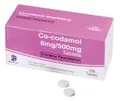
Co-codamol pills contain 500mg of paracetemol per 8mg of codeine in each pill. It is available behind the counter within any British pharmacy.
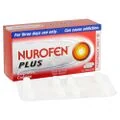
Nurofen plus pills contain 12.8mg alongside of ibuprofen. It is available behind the counter within any British pharmacy.
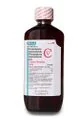
Promethazine cough syrup contains codeine and an antihistamine. It is commonly known as purple drank.


Legality
- Australia: In Australia, codeine preparations must be sold only at a pharmacy. Preparations will often be a combination of paracetamol (500 mg), ibuprofen (200 mg) and doxylamine succinate (5 mg), and the codeine content may range from 5 mg to 15 mg; preparations with in excess of 30 mg per tablet are S4 (schedule 4, or Prescription Only) medications. Preparations containing pure codeine (e.g., codeine phosphate tablets or codeine phosphate linctus) are available on prescription and are considered S8 (schedule 8, or Controlled Drug (Possession without authority illegal)). Schedule 8 preparations are subject to the strictest regulation of all medications available to consumers.
- Denmark: In Denmark, codeine is sold over the counter with max 9.6 mg in mixture. The item is given over the counter, no prescriptions. The strongest available over the counter preparation containing codeine has 9.6 mg (with aspirin, brand name Kodimagnyl); anything stronger requires a prescription for legal possession.
- France: In France, most preparations containing codeine do not require a doctor's prescription. Example products containing codeine include Néocodion (cough pills, and syrup), Codoliprane (codeine with paracetamol), Prontalgine and Migralgine (codeine, paracetamol and caffeine).[4]
- Greece: Codeine is classed as an illegal drug in Greece, and individuals possessing it could conceivably be arrested, even if they were legitimately prescribed it in another country. It is sold only with a doctor's prescription.[5]
- Hong Kong: In Hong Kong, codeine is regulated under Laws of Hong Kong, Dangerous Drugs Ordinance, Chapter 134, Schedule 1. It can be used legally only by health professionals and for university research purposes. The substance can be given by pharmacists under a prescription. However, codeine is available without prescription from licensed pharmacists in doses up to 0.1%[6]
- Iceland: Preparations of paracetamol and codeine require a prescription in Iceland.
- India: Codeine preparations require a prescription in India. A preparation of paracetamol and codeine is available in India. Codeine is also present in various cough syrups as codeine phosphate
- Iran: Preparations of codeine in Iran normally comes with paracetamol, but can be purchased over-the-counter. Iran's deputy health minister reported that codeine is Iran's best selling OTC medication. The recreational use of codeine has also become widespread throughout Iran but authorities continue to let codeine be purchased without permission from a doctor, although the pharmacist may ask for the identification of the purchaser to verify they are 18 years or older to buy.
- Ireland: Codeine remains a semi non-prescriptive, over-the-counter drug up to a limit of 12.8 mg per pill, but codeine products must be out of the view of the public. Products containing more than 12.8 mg codeine are available on prescription only.
- Italy: Codeine tablets or preparations require a prescription in Italy. Preparations of paracetamol and codeine are available in Italy as Co-Efferalgan and Tachidol.
- Japan: Codeine and similar mid-level centrally acting agents in combination with non-opioid analgesics, antihistamines, vitamins, inert GI agents like kaolin & pectin, mild laxatives, antacids, and herbal preparations, can be purchased over the counter, with 10 mg being the ceiling for OTC dispensing.
- Russia: According to ITAR-Tass and Austria Presse-Agentur, OTC availability of codeine products was rescinded nationwide in 2012 because of the discovery of the Krokodil method of underground desomorphine synthesis.
- Sri Lanka: Codeine preparations are available as over the counter pharmacy medicines in Sri Lanka. The most common preparation is Panadeine, which contains 500 mg of Paracetamol and 8 mg of Codeine.
- Maldives: The Maldives takes an infamously strict line on medicines, with many common drugs, anything containing codeine is banned unless you have a notarized and authenticated doctor's prescription. Visitors breaking the rules, even inadvertently, have been deported or imprisoned.
- United States: In the United States, codeine is regulated by the Controlled Substances Act. Federal law dictates that codeine be a Schedule II controlled substance when used in products for pain-relief that contain codeine alone or more than 90 mg per dosage unit. Tablets of codeine in combination with aspirin or acetaminophen (paracetamol/Tylenol) made for pain relief are listed as Schedule III; and cough syrups are Schedule III or V, depending on formula.
- Spain: Codeine tablets or preparations require a prescription in Spain, although this is often not enforced and many pharmacies will sell codeine products without the requirement of a prescription.
- United Arabian Emirates: The UAE takes an exceptionally strict line on medicines, with many common drugs, notably anything with containing codeine being banned unless you have a notarized and authenticated doctor's prescription. Visitors breaking the rules, even inadvertently, have been deported or imprisoned. The US Embassy to the UAE maintains an unofficial list of what may not be imported.
- Romania: Codeine is not allowed without a medical prescription.
- United Kingdom: Under the Misuse of Drugs Act 1971 codeine is a Class B controlled substance or a Class A drug when prepared for injection.[7] The possession of controlled substances without a prescription is a criminal offence.[8] However, certain preparations of codeine are exempt from this restriction under Schedule 5 of the Misuse of Drugs Regulations 2001. It is thus legal to possess codeine without a prescription, provided that it is compounded with at least one other active or inactive ingredient and that the dosage of each tablet, capsule, etc does not exceed 100 mg or 2.5% concentration in the case of liquid preparations.
See also
External links
References
- ↑ https://opiates.com/codeine
- ↑ http://www.sciencedaily.com/releases/2010/03/100314150916.htm
- ↑ http://www.drugs.com/codeine.html
- ↑ http://www.vidal.fr/Substance/codeine-1039.htm
- ↑ http://gogreece.about.com/od/planagreattriptogreece/a/greecepharmacy_2.htm
- ↑ Laws of Hong Kong, Dangerous Drugs Ordinance, Chapter 134
- ↑ http://www.legislation.gov.uk/ukpga/1971/38/schedule/2
- ↑ http://www.legislation.gov.uk/ukpga/1971/38/contents


